
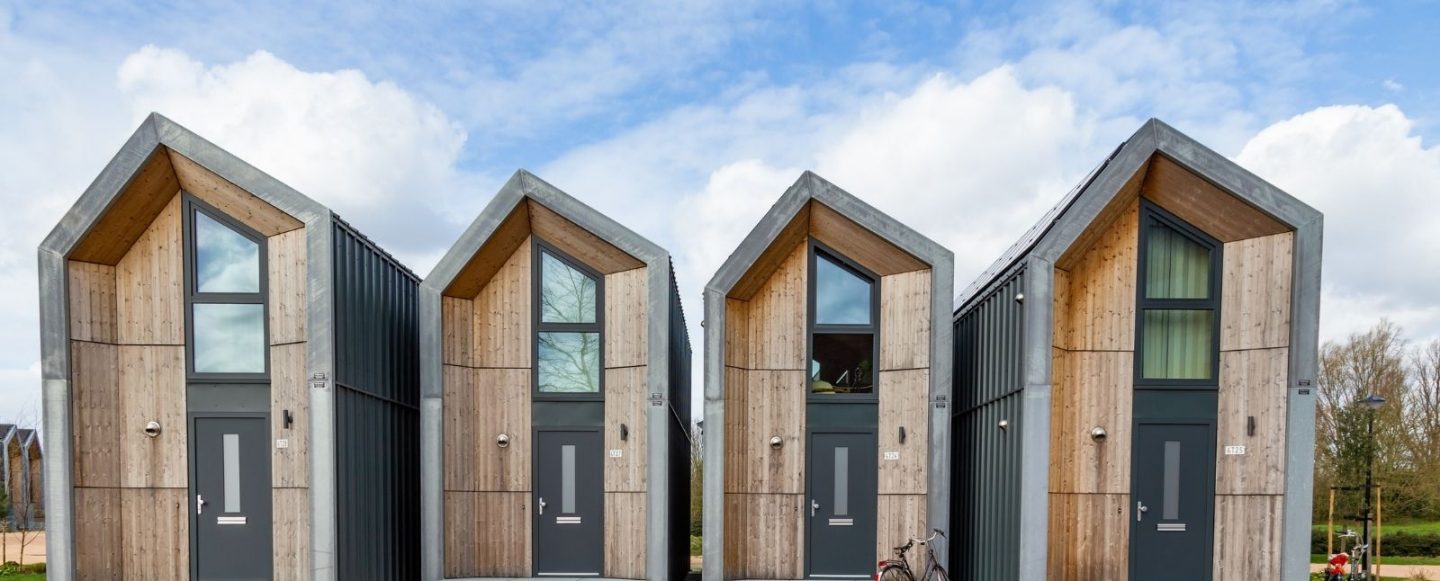
Tiny houses — big headaches
LG Leader December 2018
Tiny houses are a worldwide trend and are becoming increasingly popular throughout Australia. Some tiny houses are transportable, placed on trailers and are akin to caravans or motorhomes. Some are modified shipping containers. Others are constructed from timber or have timber framing. Some are designed to be permanently affixed to land, whilst others are constructed on platforms.
Depending on their form, method of construction, transportability and the site upon which they are placed, tiny houses may or may not constitute “development” requiring approval under the Development Act 1993 (“the Act”).
Unfortunately, the Act does not directly address tiny houses and there has not yet been any ERD Court cases which consider this phenomenon. As such, each tiny house, and whether it requires development approval must be considered in light of its particular facts and circumstances.
We can, however, provide some general guidance in this regard.
Tiny houses that are transported to a site and then placed or affixed to land (akin to a transportable dwelling or a shipping container) will usually constitute a “building” and its placement will constitute “building work”. Therefore, it will require development approval.
Whether the tiny house also constitutes a change in land use may depend on how it will be occupied, by whom and what the land use of its site is.
Tiny houses that are transportable may not constitute “building work”. They may, if they are able to be registered as a caravan, be considered to be a caravan; which then has implications under the Act if the tiny house is located within a residential property, or if it is parked on a road.
The burgeoning popularity of tiny houses may result in them being expressly defined in the Planning and Design Code, leading to less complexity in determining when they are “development” requiring approval. We will keep you updated in this regard.